Ethiopian handwoven textiles carry a story that has been passed from one generation to another. Weaving is not simply a way of producing fabric; it is a traditional craft shaped by skill, patience, creativity, and a deep connection to Ethiopian culture.
Today, Ethiopian weaving is finding new possibilities as traditional craftsmanship meets modern textile design.
The Tradition Behind Ethiopian Weaving
For generations, Ethiopian weavers have worked with handlooms to transform yarn into fabrics used for clothing, scarves, shawls, household textiles, and other products.
The process requires careful preparation and considerable skill. The yarn must be prepared, the loom must be correctly set, and the weaver must control the threads throughout the weaving process to create the desired pattern and texture.
This combination of technical knowledge and hand craftsmanship gives handwoven textiles their distinctive character.
Why Handwoven Textiles Are Different
Unlike mass-produced fabrics, handwoven textiles can have a unique texture, pattern, and character. Small variations are part of what makes handmade fabric special.
For designers and makers, handwoven cotton fabric can provide a versatile foundation for creating distinctive products. Depending on the weave and design, the same traditional techniques can be adapted for fashion, accessories, interior textiles, and other contemporary applications.
100% Cotton Handwoven Fabrics
Cotton is an important material for textile production because of its versatility and comfortable feel.
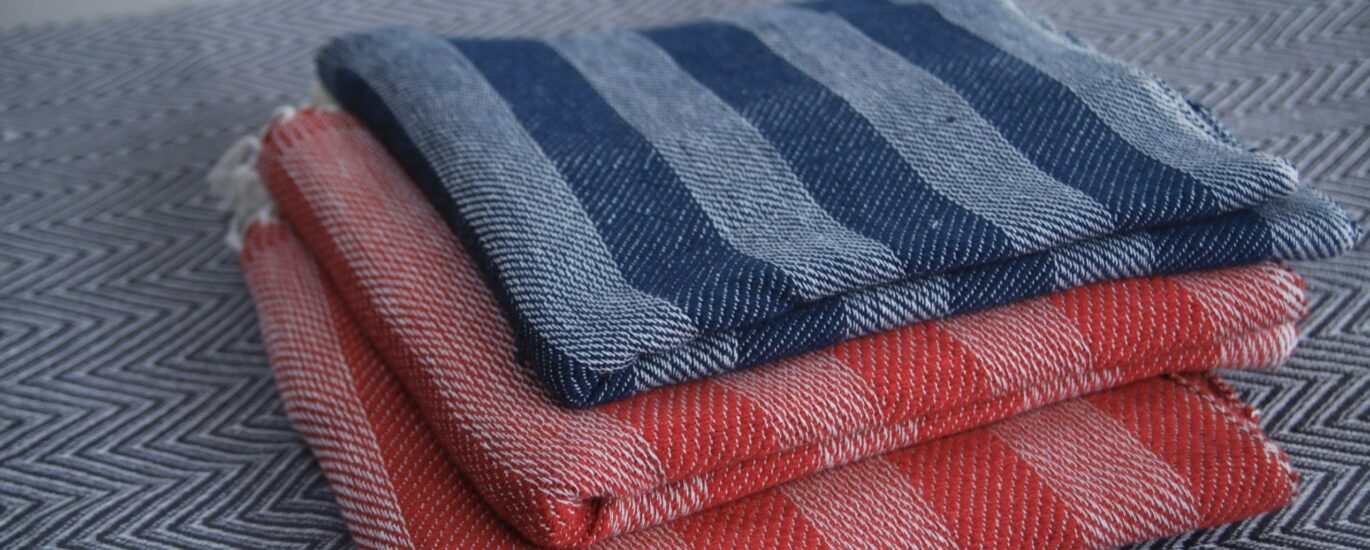
At Woven Legacy, we develop 100% cotton handwoven fabrics with different patterns and textures. Our collection includes fabrics that can be used for fashion and creative textile applications, as well as products such as scarves and shawls.
The goal is not simply to preserve traditional weaving. It is to make Ethiopian handwoven textiles useful for modern designers, businesses, and customers.
Bringing Innovation to Traditional Weaving
Tradition does not have to remain unchanged.
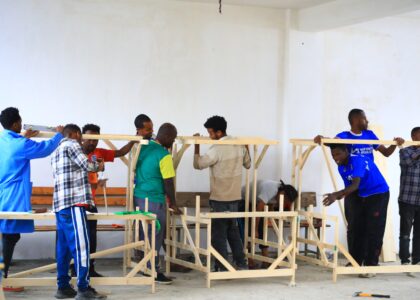
Woven Legacy is exploring new possibilities through tools such as the Flying8 loom, while providing training that helps weavers develop new skills and techniques.
By combining traditional weaving knowledge with improved tools, textile development, and contemporary design, Ethiopian weaving can become more productive while maintaining the value of handmade craftsmanship.
Building the Future of Ethiopian Textiles
The future of Ethiopian handcraft depends on both preservation and innovation.
Traditional skills need to be practiced and passed on, but they also need opportunities to reach new markets. Developing new fabrics, patterns, products, and applications can help Ethiopian weaving remain relevant in a changing world.
Handwoven textiles can connect Ethiopia’s cultural heritage with contemporary fashion, interior design, and creative industries.
At Woven Legacy, we believe that Ethiopian craftsmanship can continue to evolve without losing its identity. Every fabric carries the skill of the person who made it—and every new design creates another opportunity for that tradition to move forward.
Explore Woven Legacy
Discover our handwoven cotton fabrics, scarves, shawls, and other textile work.
Website: https://wovenlegacyhandcraft.com/
Get in Touch
Address:
Addis Ababa, Ethiopia — Mekanissa
Call us:
+251 911 738 703
+251 965 206 169