
Ethiopia has a long tradition of weaving. Across generations, skilled artisans have developed techniques for turning yarn into fabrics with distinctive patterns, textures, and cultural character.
But preserving a tradition does not mean keeping it exactly the same forever.
For Ethiopian weaving to grow, traditional knowledge needs to meet new tools, new designs, new skills, and new markets.
Why Ethiopian Weaving Matters
Weaving is an important part of Ethiopia’s craft heritage. It represents more than the production of fabric. It carries knowledge about materials, patterns, tools, and techniques that have been developed and practiced over many years.
Handwoven textiles also provide opportunities for artisans and designers to create products that have a strong connection to Ethiopian craftsmanship.
However, traditional skills need a sustainable future. That means creating products that people want today while continuing to value the knowledge behind the craft.
From Traditional Looms to New Possibilities
Innovation can make traditional weaving more versatile.
At Woven Legacy, we work with the Flying8 loom, an ergonomic and versatile handloom that can support increased productivity and new fabric possibilities.
The purpose of introducing improved tools is not to replace the weaver’s skill. The skill of the weaver remains at the center of the process.
Better tools can instead give artisans more possibilities to experiment with fabric structures, patterns, widths, and designs.
Training the Next Generation of Weavers
Skills are one of the most important parts of preserving any traditional craft.
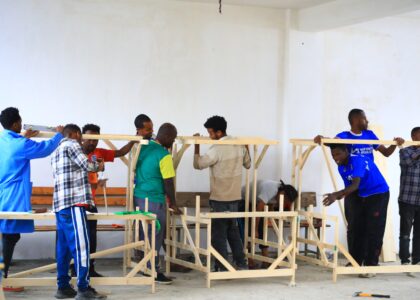
Woven Legacy supports weaver training in areas such as loom construction and advanced weaving techniques. Training gives artisans an opportunity to understand new tools while strengthening their ability to produce contemporary handwoven textiles.
When traditional knowledge is combined with new technical skills, weaving can become both a cultural practice and a growing professional opportunity.
Designing Ethiopian Textiles for Modern Markets
Modern customers and designers are looking for materials that are distinctive, versatile, and connected to a story.
This creates an opportunity for Ethiopian handwoven textiles.
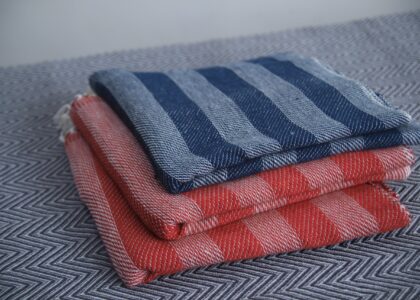
100% cotton handwoven fabrics can be developed for a variety of applications, including fashion, scarves, shawls, accessories, interior textiles, and other creative projects.
Instead of treating traditional Ethiopian textiles only as cultural products, we can also look at them as materials for contemporary design.
This approach opens the door to collaboration between weavers, fashion designers, textile businesses, interior designers, and other creative professionals.
Tradition and Innovation Can Work Together
There is no contradiction between preserving tradition and improving the way it is practiced.
The important question is what should be preserved.
The knowledge, craftsmanship, cultural identity, and human skill behind Ethiopian weaving are worth protecting. At the same time, tools, production methods, designs, and applications can continue to develop.
That balance can help Ethiopian handcraft remain relevant for future generations.
Moving Ethiopian Handcraft Forward
The future of Ethiopian weaving will depend on people who are willing to value its heritage while also exploring what it can become.
Through handwoven textile development, weaver training, improved loom technology, and contemporary design, Ethiopian craftsmanship can reach new customers and new markets without losing its roots.
At Woven Legacy, we are working toward that future—one fabric, one weaver, and one new design at a time.
Explore Woven Legacy
Discover our Ethiopian handwoven textiles and learn more about our work in textile development, weaving, loom construction, and artisan training.
Website: https://wovenlegacyhandcraft.com/
Get in Touch
Address:
Addis Ababa, Ethiopia — Mekanissa
Call us:
+251 911 738 703
+251 965 206 169