Every handcrafted piece begins with a pair of hands.
Before a finished textile, accessory, or decorative piece reaches its owner, there is a process shaped by experience, concentration, and patience. The beauty we see in the finished product is the result of skills developed over time and techniques carried forward through generations.
This is the human side of Ethiopian handcraft.
The Artisan Behind Every Piece
Handcraft is fundamentally about people.
An artisan does more than follow a production process. They work with materials, patterns, textures, and techniques that require knowledge and careful attention.
With experience, an artisan learns how materials respond, how patterns come together, and how small details affect the final result.
That knowledge cannot simply be replaced by a machine.
It is learned through practice.
Craftsmanship Takes Time
One of the defining qualities of handmade work is the time involved.
A handcrafted piece may pass through several stages before it is complete. Materials must be prepared, colors and patterns considered, individual elements carefully worked, and the finished piece inspected.
Each stage matters.
The process may take longer than mass production, but that time is part of the value.
It is what allows a handmade piece to have character.
Preserving Knowledge Through Craft
Traditional craftsmanship survives when knowledge continues to be practiced.
Techniques that have been passed down through generations can easily disappear when there is no longer a place or demand for them. Supporting quality handcraft creates an opportunity for these skills to remain part of everyday life.
This is why preserving Ethiopian craftsmanship is not simply about looking back at history.
It is about giving traditional skills a future.
The next generation should be able to see craftsmanship not only as something their ancestors practiced, but as a valuable skill that still has a place in the modern world.
Where Tradition Meets Creativity
Tradition does not have to mean repetition.
Ethiopian artisans have a foundation of established techniques, patterns, and cultural influences. Modern designers and craftspeople can build on that foundation to create pieces that feel relevant to today’s customers.
The result can be something that respects its origins while fitting naturally into contemporary life.
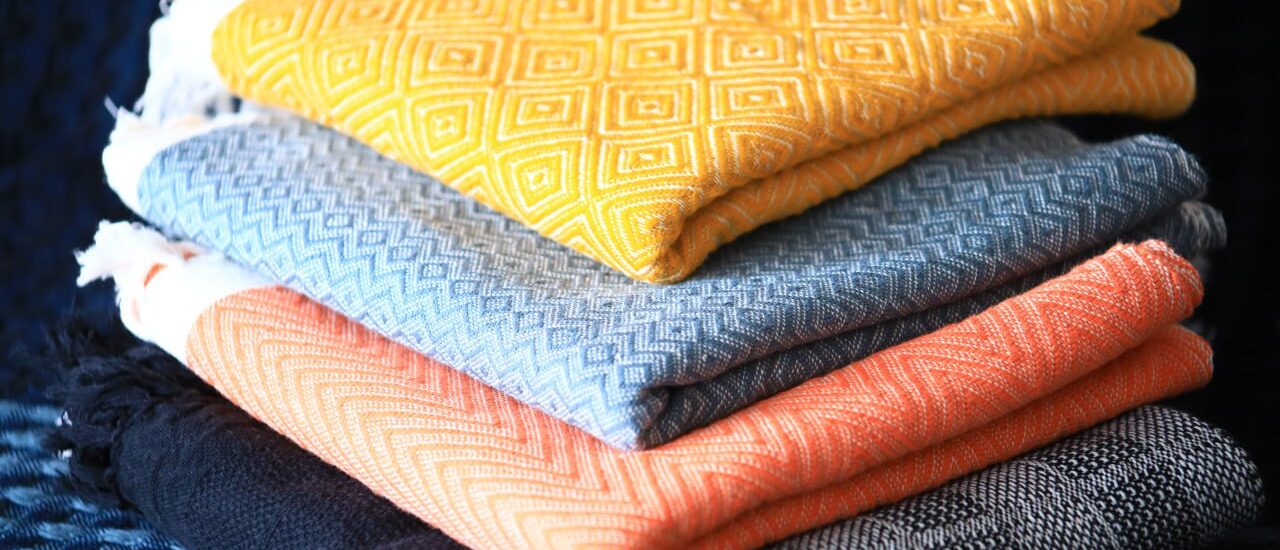
A traditional weaving technique can become a modern accessory.
A familiar pattern can be presented in a new combination of colors.
A centuries-old craft can find a place in a modern home.
This is how tradition continues to evolve.
The Value of Something Made by Hand
There is a different feeling when you know that a product was made by a person rather than simply produced on a production line.
You can appreciate the detail.
You can notice the texture.
You can understand why no two handmade pieces need to be perfectly identical.
Those small differences are part of the story.
They remind us that the object was created through human skill and attention rather than simply manufactured for uniformity.
Craft That Connects People
Ethiopian handcraft can create a connection between the person who makes something and the person who eventually uses it.
That connection can cross cities, countries, and cultures.
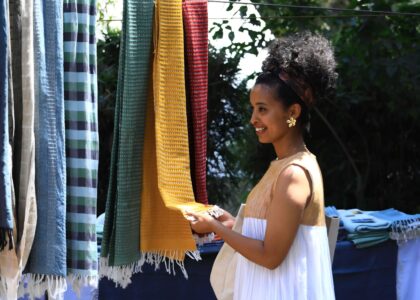
A customer thousands of kilometres away can own a piece of Ethiopian craftsmanship and, through it, encounter a small part of the country’s creative heritage.
That is the power of craft.
It allows culture to travel without losing the human story behind it.
Continuing the Legacy
At Woven Legacy Handcraft Ethiopia, we believe the future of Ethiopian craftsmanship depends on recognizing the value of the people behind it.
Their knowledge, patience, creativity, and attention to detail are what transform materials into something meaningful.
A handcrafted product is never just about the finished object.
It is about the hands that made it.
It is about the knowledge behind those hands.
And ultimately, it is about keeping that knowledge alive for the generations that come next.
That is how a craft becomes a legacy.
Connect With Woven Legacy
For inquiries, product information, or to learn more about our handcrafted work:
Phone: +251 91 173 8703
Email: info@wovenlegacyhandcraft.com
Woven Legacy Handcraft Ethiopia
Ethiopian Craftsmanship, Woven for Generations.